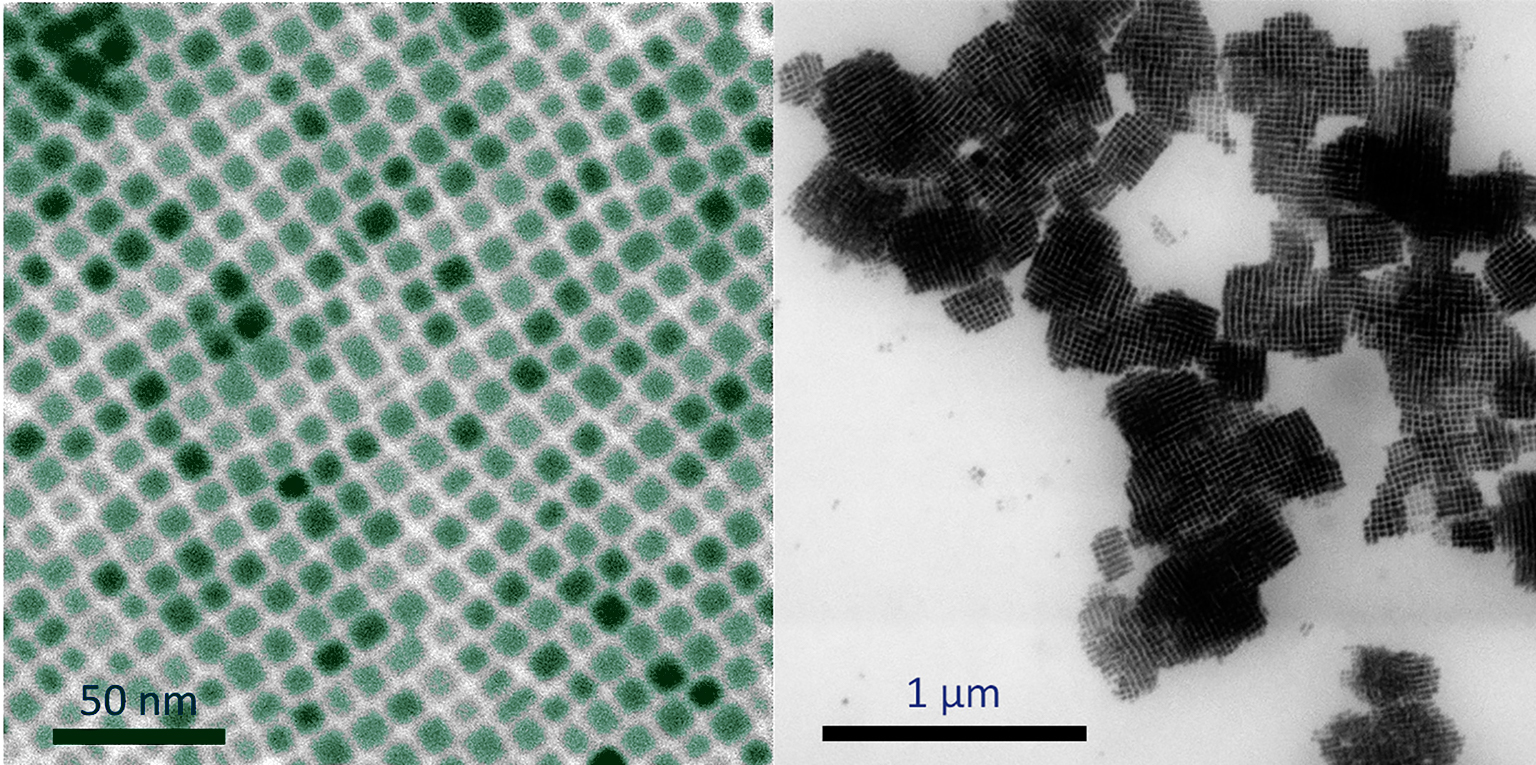
Materials
Materials research at ATOMKI focuses on advanced surface physics and high-precision analytics to explore new functionalities of engineered coatings and investigate the underlying physical processes.
![Silicon surface [111]](https://spacedet.atomki.hu/wp-content/uploads/sites/25/2026/05/Silicon-surface-111-1200x598.jpg "Silicon surface [111]")

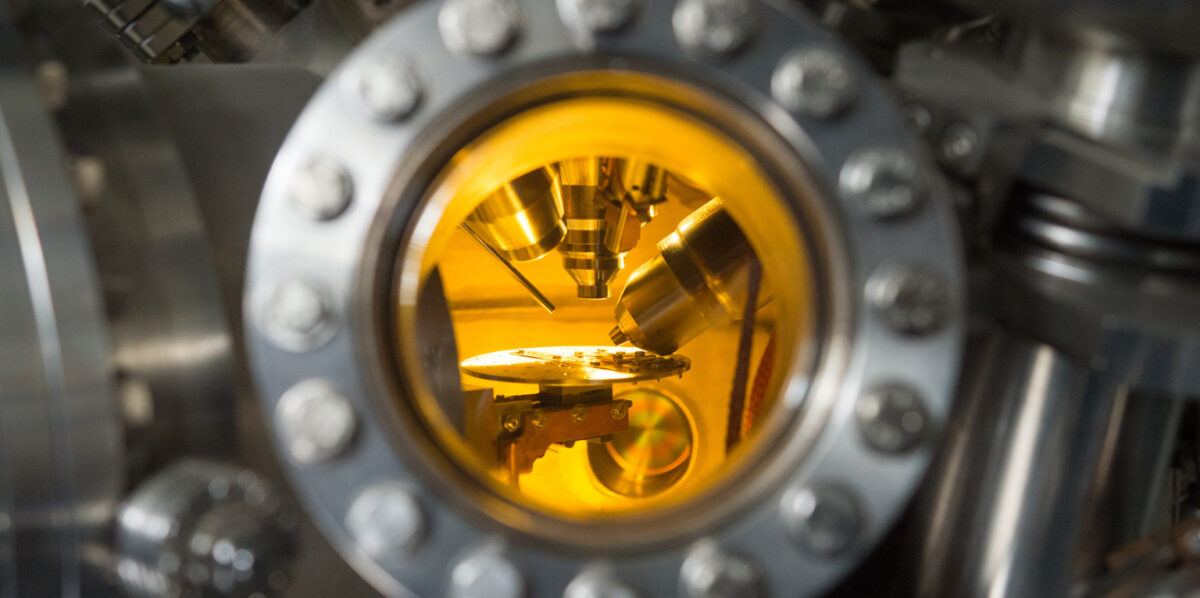
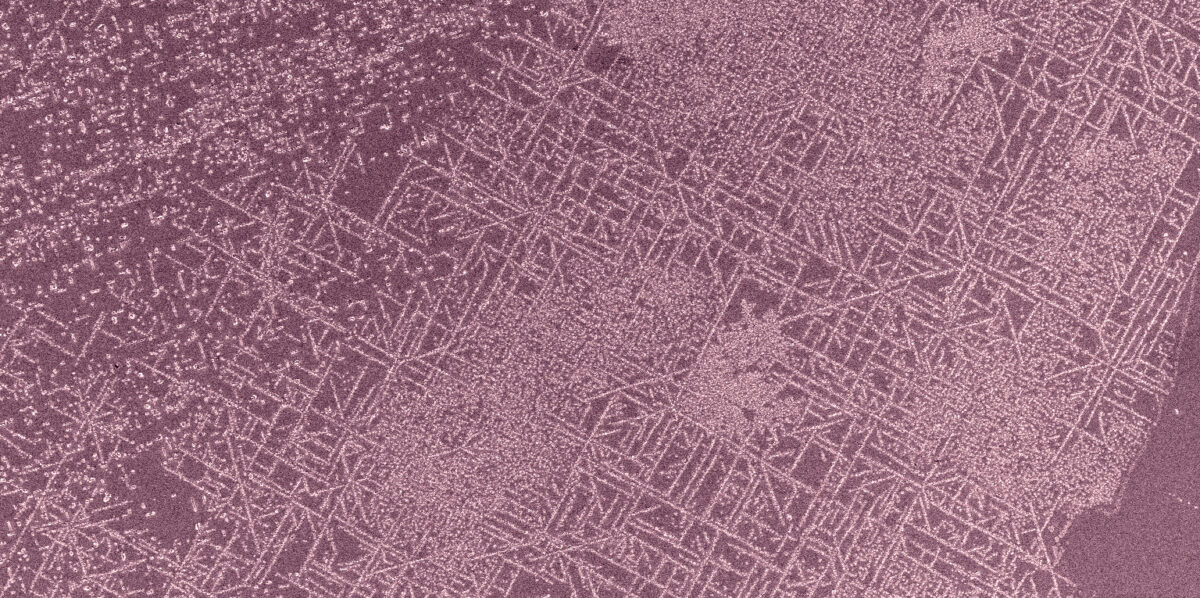
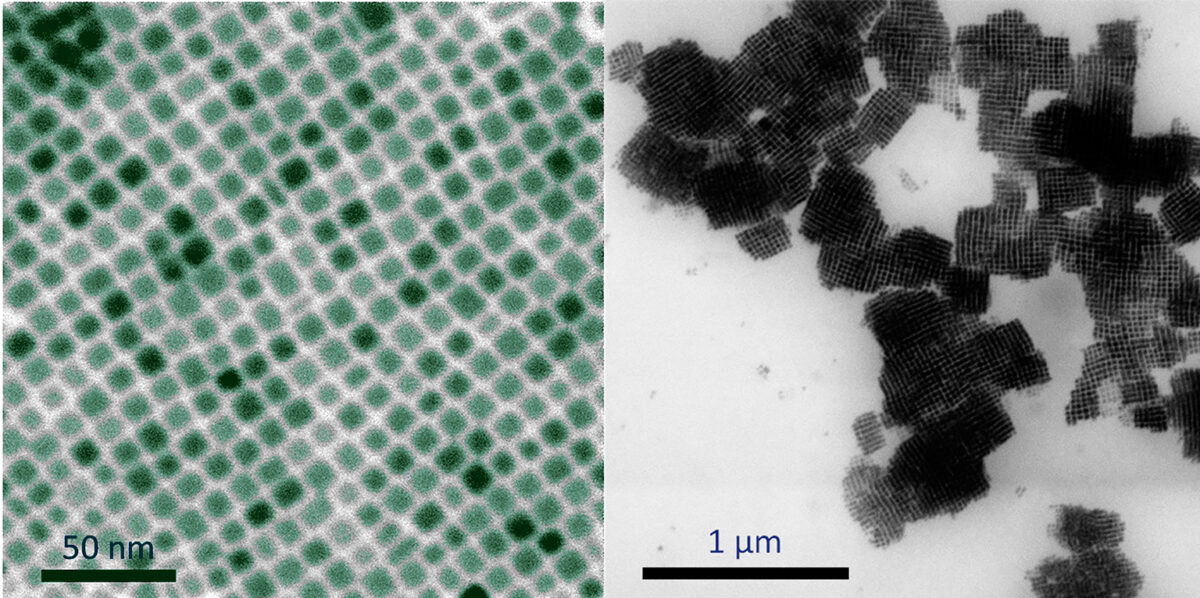
Our institute has developed its dedicated laboratory infrastructure for material analytics to support the core activities in nuclear physics research and technology development. As our equipment and expertise grew during the decades, materials science topics have now become a stand-alone field of research at ATOMKI. The laboratory has gained a wide scale of special skills in surface physics and analytics, ranging from nanoscale layer growth techniques to high-precision mass spectrometry and structural investigations.
Functional coatings
Thin films deposited or synthesized on substrates are engineered for specific functions, such as creating protective, catalytic, or optically active surfaces.
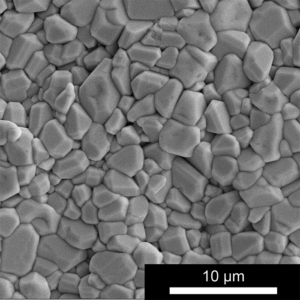
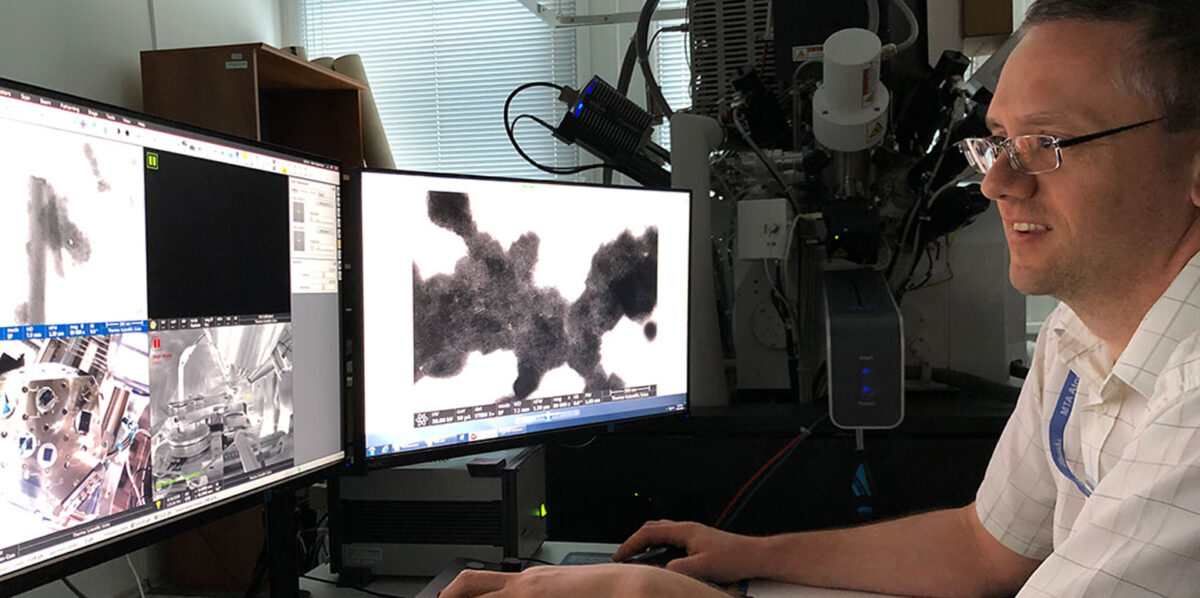
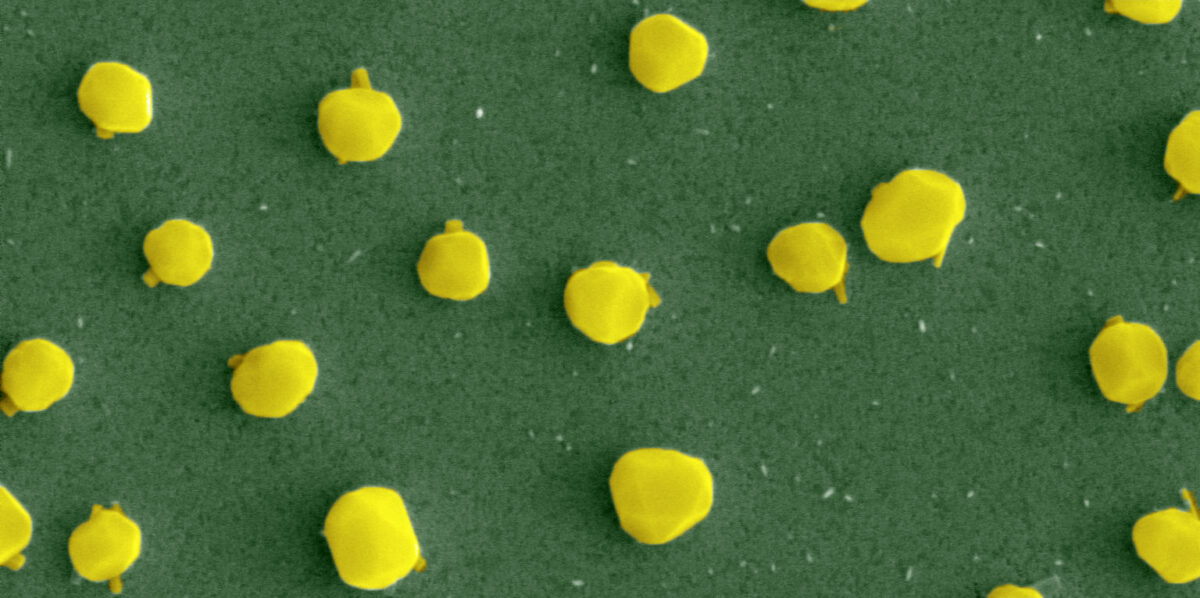
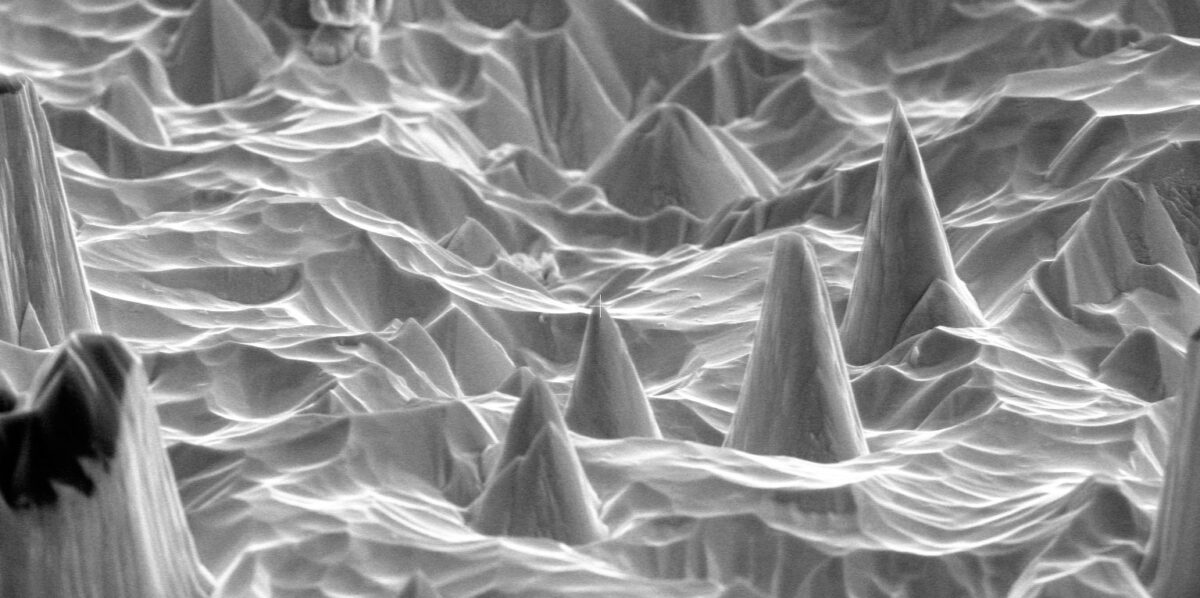
Our research involves designing coatings with specific functions, ranging from protective and catalytic surfaces to optically active layers. These coatings are prepared with either single or multilayer structures employing atomic-scale precision techniques such as Atomic Layer Deposition (ALD). We also utilize advanced surface manipulation techniques, such as etching with a focused ion beam (FIB)-equipped electron microscope, to modify or prepare new morphologies at micro- and nanoscale. To characterize these materials at the highest level, we use high-resolution SNMS/SIMS for depth-profile analysis, XRD for structural analysis or electron spectrometry to reveal the chemical environments at atomic levels. Our results anticipate a diverse range of applications, including the development of biocompatible and luminescent coatings, as well as the study of microdiffusion.
Nanomaterials