Mission
Our mission is to develop miniaturized, thin-film scintillator-based detectors that integrate high-precision spectroscopic performance with a scalable architecture compatible with any spaceborne platform. These systems facilitate real-time monitoring of harmful radiation fields, providing the critical data to mitigate risks to astronauts and mission success.
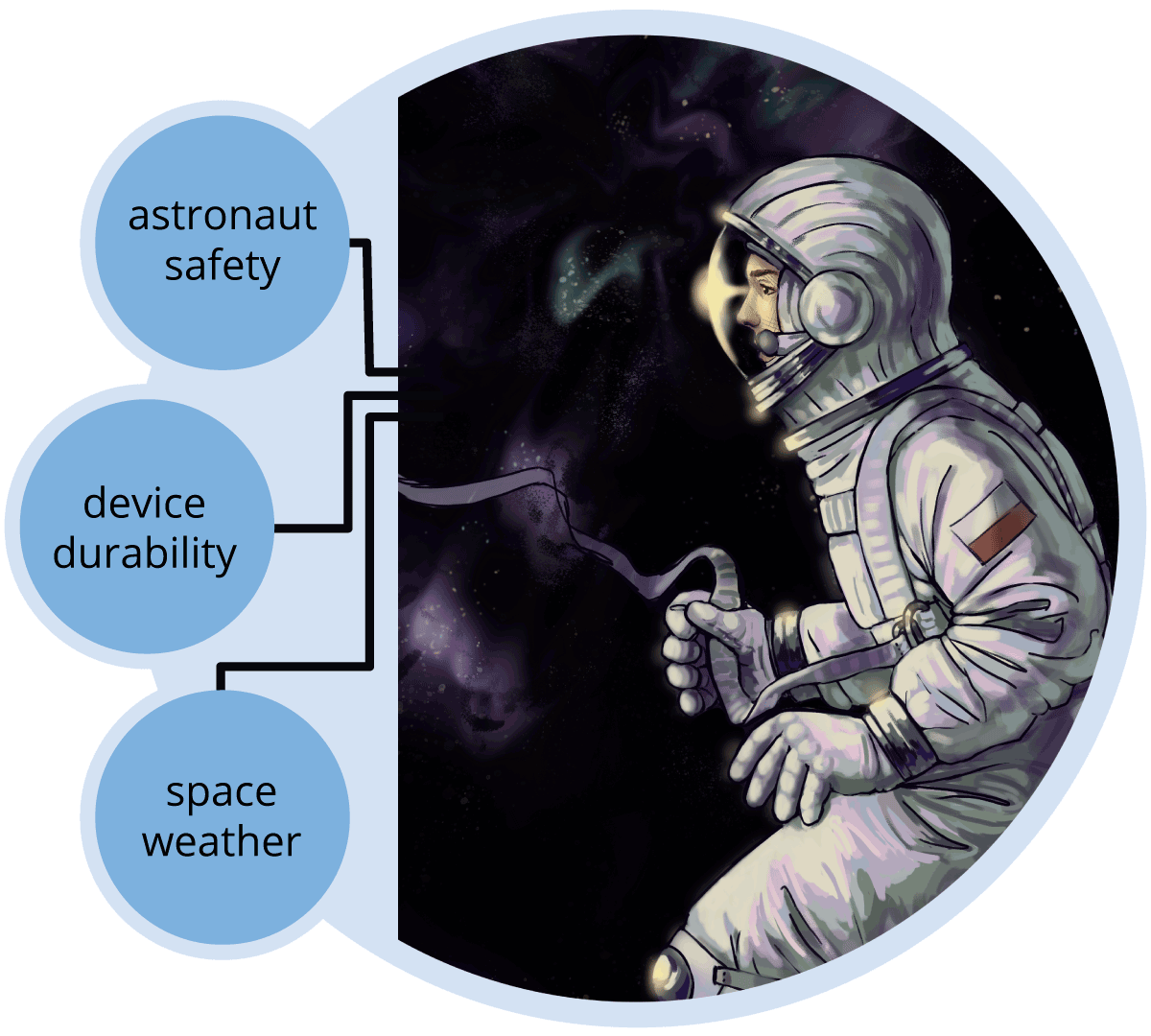
Radiation detection is a critical cornerstone of space exploration, especially as humanity prepares for long-duration crewed missions beyond Earth’s orbit. In the harsh environment of space, satellites and research spacecraft frequently encounter extreme radiation fields that cause materials to age prematurely and electronic devices to fail. These failures are more than just technical problems; they can seriously threaten the success of the entire mission and the safety of the astronauts.
The development ranges from medical implants to advanced luminescence coatings. bridge the gap between fundamental material science and their practical applications. Currently, our work focuses on scalable, high-precision scintillator layers that enable miniaturization of radiation spectrometers, offering a competitive and reliable solution to monitor dynamic particle-radiation fields in space.
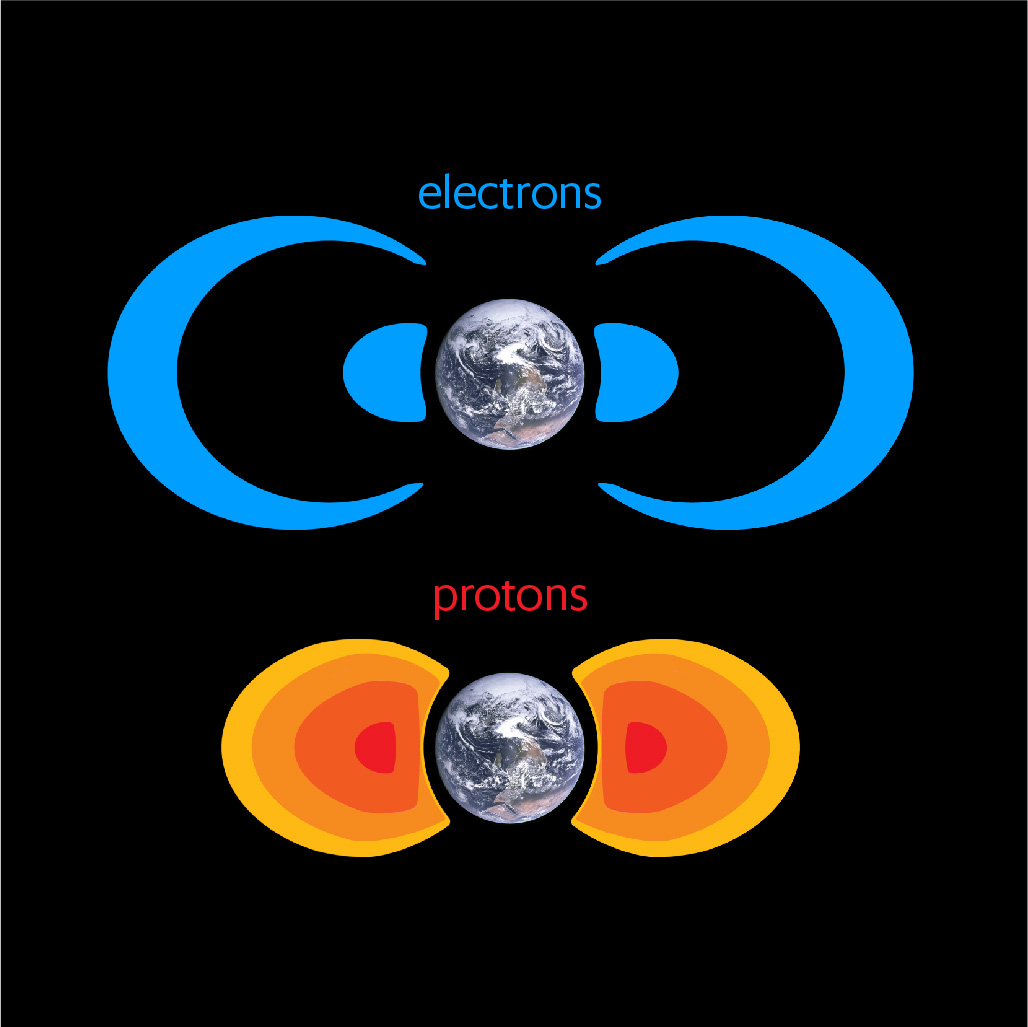
The majority of satellites and the International Space Station operate within the relatively safe environment of Low Earth Orbit (LEO) below the Van Allen belts, while upcoming missions like the Artemis and Lunar Gateway programs will venture beyond Earth’s magnetic protection. Astronauts may be exposed to extreme proton fluxes from unpredictable solar flares, which can be fatal during its peak activity. Since the Apollo program, humans have not crossed this radiation “danger zone,” but the next decade a rapid shift is expected toward a sustained presence on the Moon and eventual expeditions to Mars.