What is ATOMKI SpaceDet Project?

Development of thin-film scintillators for radiation detectors that integrate high-precision spectroscopic performance with a scalable architecture compatible with any spaceborne platform. These systems facilitate real-time monitoring of cosmic radiation fields, providing the critical data to mitigate risks to astronauts and mission success.

The scintillator

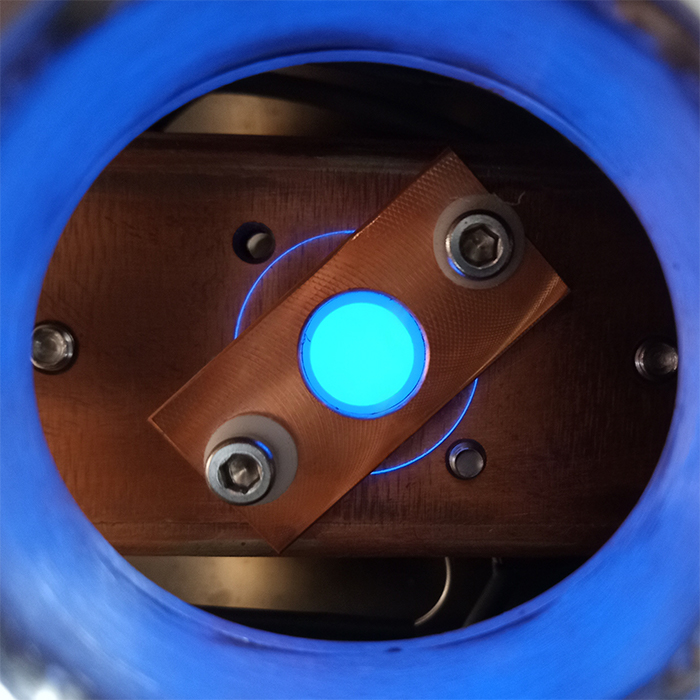
Polycrystalline Cs3Cu2I5 (CCI325) has emerged as an optimal material for thin-film scintillators, demonstrating exceptional performance as a spectroscopic device. It is characterized by excellent long-term stability, high sensitivity to heavy-ion radiation, and remarkably low manufacturing costs.

Thin-layer technology

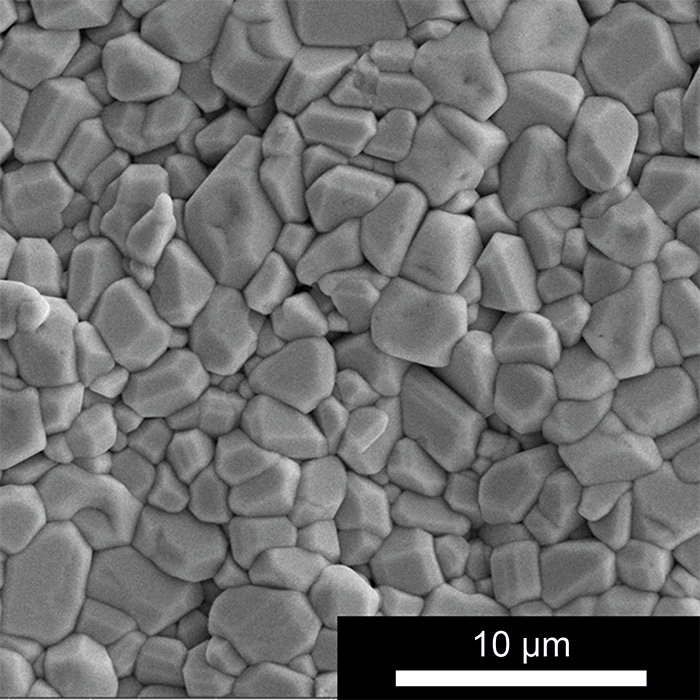
Thin-layer preparation technology has been developed for polycrystalline CCI325 in collaboration with University of Szeged. The process reliably produces layers within a 10–100 μm thickness range, specifically engineered to match the typical stopping range of MeV-range particles.

Competitiveness

Our material selection coupled with optimized thin-film deposition provides a competitive advantage over conventional scintillators. This combined strategy yields significant cost savings alongside exceptional durability even in harsh environments like in space.

Detector design

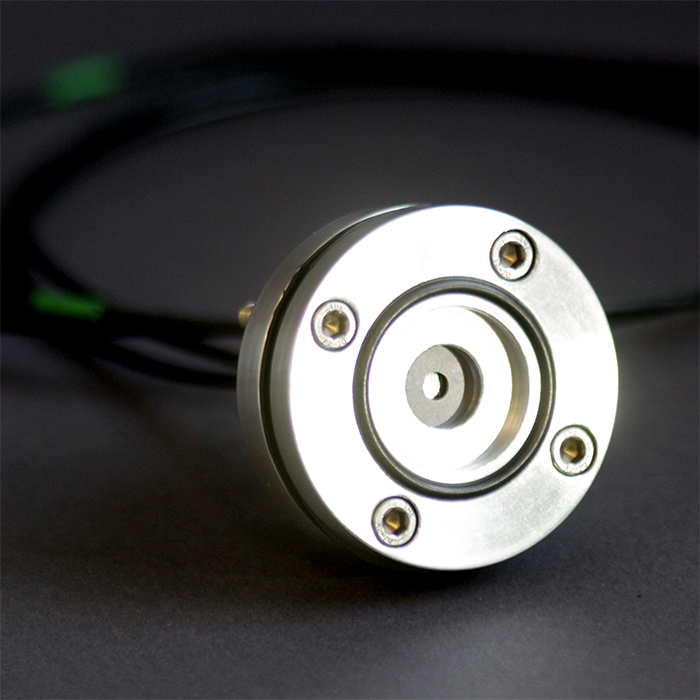
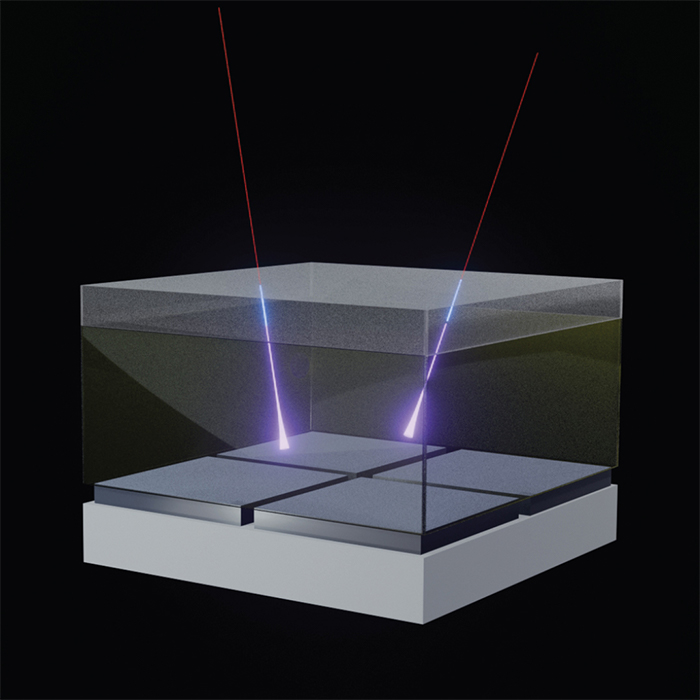
A detector architecture integrating polycrystalline CCI325 thin films with SiPM sensors is proposed for high-efficiency, miniaturized particle-radiation spectrometer. By utilizing a phoswich configuration and pulse-shape discrimination, high-fidelity particle identification and energy reconstruction are ensured across a broad spectral range.